
Laser Treatments
Different Technologies. A More Complete Approach To Skin.
Skin doesn’t always have just one concern.
Pigmentation, redness, uneven tone, texture and early signs of sun damage can exist at the same time—which is why we don’t believe every skin rejuvenation treatment should look the same.
At MAGY, we use BBL BroadBand Light and Moxi fractional laser, individually or together, to build a treatment around what we actually see in your skin.
Target visible pigmentation, sun damage and uneven colour.
BBL can selectively target vascular concerns contributing to redness and visible vessels.
Fractional Moxi treatment can address uneven texture and selected superficial skin changes.
BBL, Moxi or a combination of both can be selected according to your skin, concerns and treatment goals.
Overview
Start With The Concern. Then Choose The Technology.
BBL and Moxi are often grouped together as “laser treatments,” but they are different technologies that interact with the skin in different ways.
BBL uses broadband light to selectively target colour within the skin. Different wavelengths of light can be used to address chromophores such as melanin in pigmentation and hemoglobin in vascular concerns.
Moxi is a 1927nm non-ablative fractional laser. Rather than primarily targeting colour, it creates microscopic treatment zones within the skin while leaving surrounding tissue intact.
One is not simply a stronger version of the other.
They address different components of the skin—which is exactly why they can work well within the same treatment plan.
BBL
When The Concern Is Colour.
BBL, or BroadBand Light, is an advanced form of intense pulsed light technology.
Rather than using a single laser wavelength, BBL delivers a broad spectrum of light that can be filtered according to the target being treated.
Melanin absorbs selected wavelengths of light, allowing BBL to target areas of visible brown pigmentation associated with sun exposure and photoaging.
Hemoglobin also absorbs specific wavelengths, allowing BBL to target selected vascular concerns contributing to redness and visible vessels.
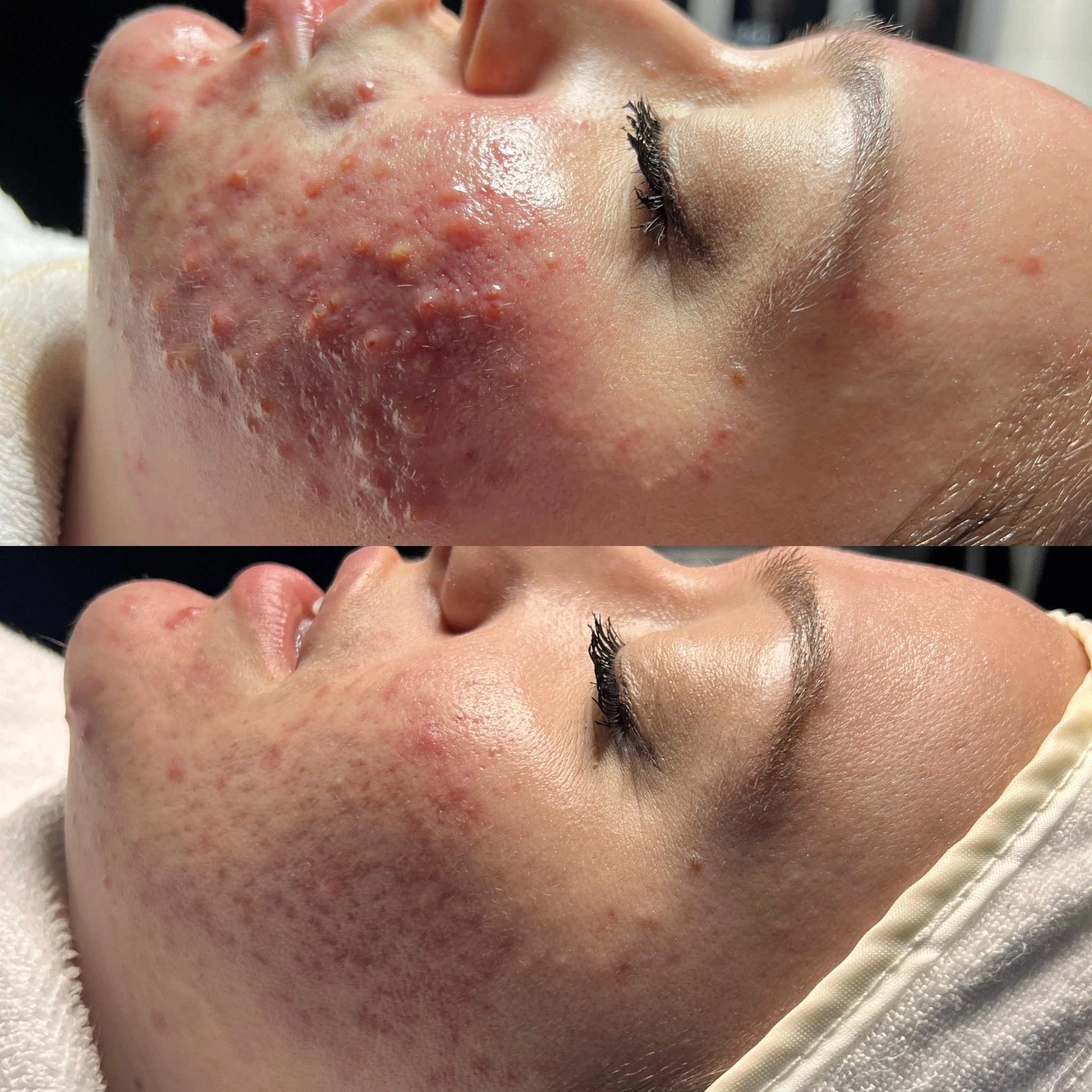
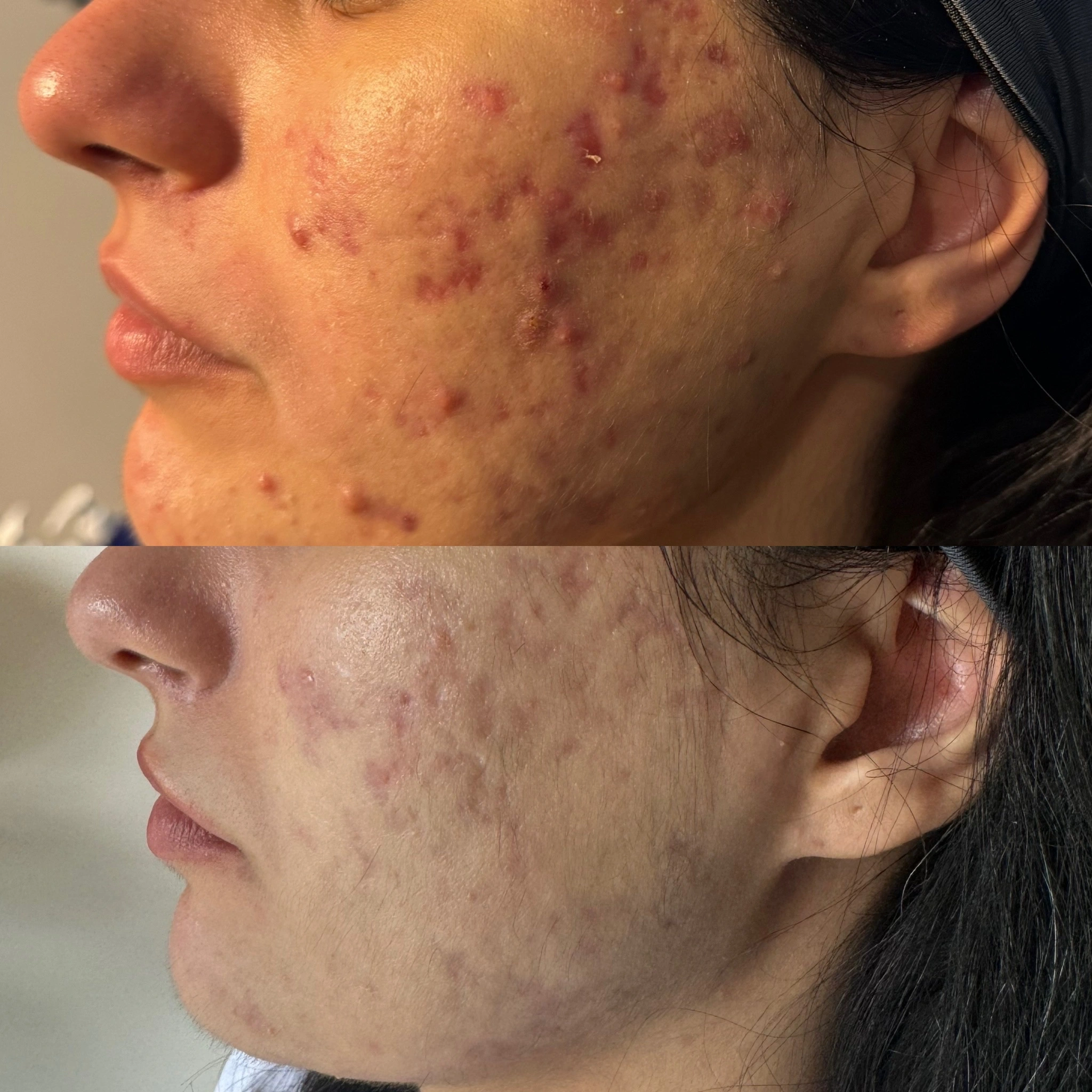
Specific BBL protocols may also form part of a treatment plan for selected acne concerns.
The settings aren't universal. Skin type, target, depth and colour all influence how—and whether—light-based treatment should be used.
Moxi
When the Concern is Texture + Surface Change.
Moxi works differently.
It is a non-ablative fractional 1927 nm laser that targets water within the skin, creating microscopic zones of controlled thermal injury while leaving surrounding tissue untreated.
That fractional approach initiates a healing response and allows Moxi to be used when concerns include uneven texture, superficial pigmentation and early signs of photodamage.
Because only a fraction of the skin is treated at one time, recovery is generally lighter than with more aggressive ablative resurfacing procedures.
Think of BBL as primarily targeting colour and Moxi as working more directly with the skin’s surface and texture.
BBL + Moxi
Sometimes the Skin Needs Both.
Pigmentation doesn’t necessarily exist without texture. Redness doesn’t mean the rest of the skin doesn’t also show signs of sun exposure.
When concerns overlap, BBL and Moxi can be used within the same treatment plan because they’re addressing the skin through different mechanisms.
BBL can target selected pigment and vascular concerns, while Moxi provides fractional treatment for texture, superficial pigment and overall skin quality.
That doesn’t mean combining them is automatically better.
If BBL alone addresses what we’re seeing, that’s what we’ll recommend. If Moxi makes more sense on its own, we’ll use Moxi. And when both technologies contribute something useful, they can be incorporated together.
The combination isn’t the treatment plan. Your skin is.
What Can We Treat?
Tone. Texture. Colour.
BBL and/or Moxi may be selected depending on the type and distribution of pigmentation.
BBL can target selected vascular concerns by directing light toward hemoglobin within visible vessels.
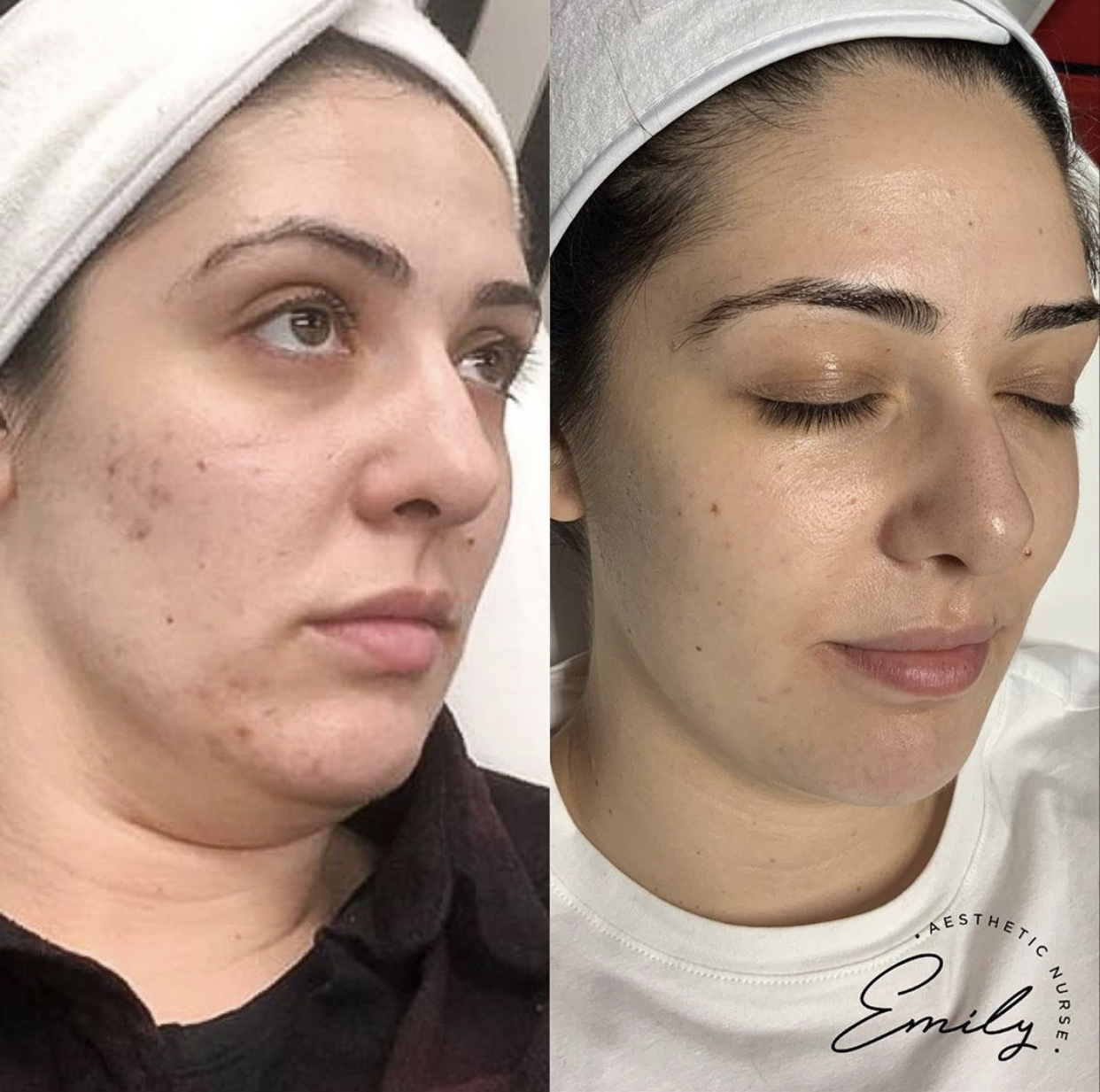
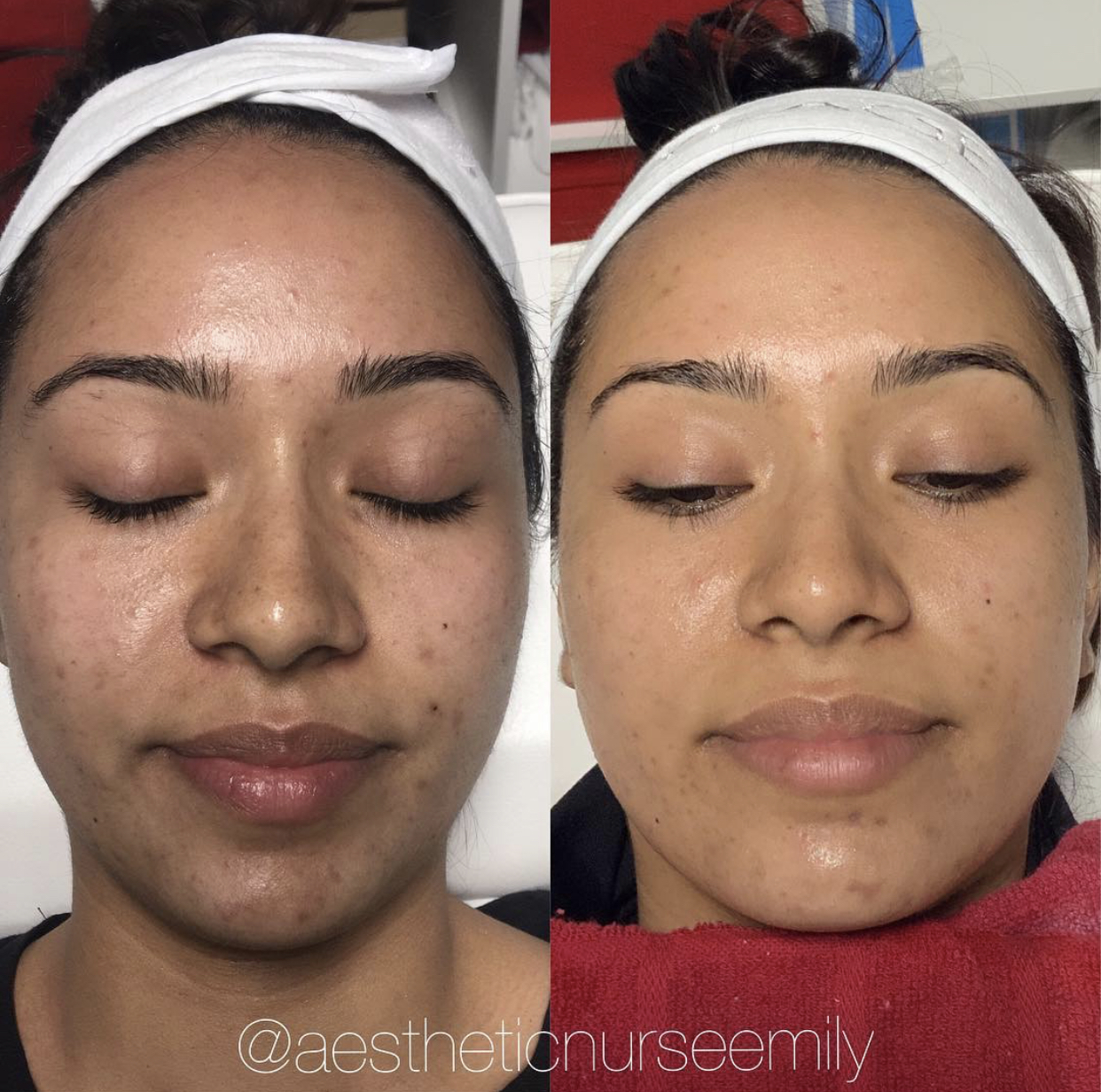
Treatment can address selected differences in pigmentation and colour that make the complexion appear less even.
Moxi's fractional approach can improve the appearance of selected textural irregularities and superficial skin changes.
Both technologies can have a role in treating visible changes associated with cumulative sun exposure, depending on what those changes actually are.
Selected BBL protocols may be incorporated into an acne treatment plan when appropriate.
Not every pigment, red area or textural change should be treated with light or laser.
Diagnosis comes before device selection.
Melasma is different from typical sun-related pigmentation. It is a chronic, multifactorial pigment condition that can be influenced by light, heat, hormones and inflammation—and it has a tendency to recur.
Because of this, we don't approach melasma by simply treating the visible pigment. Management often begins with consistent photoprotection and an appropriate skincare or medical treatment plan, with procedural treatments considered selectively.
BBL, Moxi and other technologies may have a role for certain clients, but they aren't automatically appropriate for every case of melasma. Treatment is individualized according to your skin type, history, triggers and previous response to treatment.
With melasma, the goal isn't just to clear pigment. It's to manage the condition over time.
Assessment
Not All Pigment Is The Same.
A brown spot isn’t a diagnosis.
Pigmentation can arise from sun exposure, post-inflammatory changes, melasma and other causes—and those conditions don’t necessarily respond to light and laser in the same way.
The same applies to redness and texture.
Before recommending BBL or Moxi, we consider your skin type, medical and treatment history, sun exposure, the characteristics of the concern and how your skin is likely to respond.
In some cases, another treatment or skincare plan may make more sense.
The device comes after we understand the skin.


Results
Skin Changes Gradually.
What happens after treatment depends on the technology used and what we’ve targeted.
Following BBL, treated pigment may temporarily darken before gradually becoming less visible as the skin processes the targeted pigment.
Following Moxi, the skin undergoes a controlled healing process as the microscopic treatment zones resolve.
Changes in tone and texture develop over time, and the number of treatments needed varies according to your baseline skin, concern, treatment intensity and desired result.
Rather than applying the same series to everyone, we build treatment around the response we’re seeing.
What to Expect
Your Treatment, From Assessment To Result.
We’ll start by looking at your skin and identifying what is actually contributing to the concern.
We’ll review your skin type, pigmentation, redness, texture, sun exposure, skincare, previous treatments and relevant medical history.
From there, we’ll determine whether BBL, Moxi, a combination treatment—or something else entirely—makes sense.
Your treatment experience depends on the technology and settings selected.
Protective eyewear is used for light and laser procedures. Cooling and/or topical anesthetic may also be used when appropriate.
Your provider will explain the treatment plan and expected sensations before beginning.
Temporary redness, warmth or swelling may occur. Targeted brown pigmentation can become temporarily darker before gradually fading or flaking as it is processed.
The skin may feel warm and appear red initially. Over the following days, the skin can develop a dry or rough texture as the treated microscopic zones work their way through the normal healing process.
When treatments are combined, recovery reflects both procedures. We’ll give you specific aftercare based on exactly what was performed.
Sun protection is particularly important following light and laser treatment.
Your skin continues to change after treatment—and it continues to be exposed to the factors that contributed to the concern in the first place.
We’ll reassess your response and determine whether additional treatment, maintenance, skincare or another modality belongs in the longer-term plan.
The MAGY Approach
Think Beyond One Treatment.
Skin rejuvenation isn’t a single procedure.
Pigmentation, vascularity, texture, laxity and overall skin quality arise through different processes, and one technology doesn’t need to solve all of them.
We use BBL and Moxi where each makes sense, but we also think about what happens outside the treatment room: daily sun protection, appropriate skincare, lifestyle and the factors that support skin health over time.
Sometimes that means BBL. Sometimes Moxi. Sometimes both. And sometimes another treatment entirely.
The goal isn’t to use every technology. It’s to understand which one your skin actually needs.
PERSONALIZED CARE, BY DESIGN
Not sure where to begin? That's what we're here for.
Every client comes to us with different concerns, goals, and expectations. Our role is to understand yours, provide thoughtful guidance, and develop a treatment plan that makes sense for you.
Whether you’re exploring a specific treatment or simply looking for a place to start, we’re here to help you navigate your options.
Not sure which treatment is right for you? Connect with our team to discuss your concerns, ask questions, and determine the most appropriate next step.
From skin health and regenerative aesthetics to wellness and longevity, explore our range of treatments and the concerns they're designed to address.
Learn more about our philosophy, our team, and the clinical approach behind the care we provide.
BBL Laser Therapy
Frequently Asked Questions
Technically, no.
BBL stands for BroadBand Light and is an advanced intense pulsed light technology. Unlike a laser, which emits a specific wavelength of light, BBL uses a broader spectrum that can be filtered to target different chromophores within the skin.
It's often casually grouped with “laser treatments,” but the distinction matters because the technologies interact with tissue differently.
They use different forms of light energy and are selected for different purposes.
BBL uses broadband light and is particularly useful when colour is the target, including selected pigmentation and vascular concerns.
Moxi is a 1927 nm non-ablative fractional laser that targets water and creates microscopic treatment zones within the skin. It is commonly selected when texture, superficial pigmentation and photodamage are part of the concern.
Because skin concerns frequently overlap.
If you have both visible pigment or redness and textural changes, BBL and Moxi may address different components of the same overall concern.
Combining them isn't automatically necessary. We recommend both only when each technology has a reason to be in the treatment plan.
Neither is universally better.
They do different things. The appropriate treatment depends on what we're trying to target, your skin type, treatment history, desired downtime and other individual factors.
BBL can be used to target selected pigmented lesions because melanin absorbs specific wavelengths of light.
But not all pigmentation should be treated in the same way. Determining what is causing the pigmentation is important before selecting a light-based treatment.
Sometimes, but neither is automatically the right treatment for melasma.
Melasma behaves differently from typical sun-related pigmentation and can be prone to recurrence or worsening following inflammation. For this reason, lasers and light-based treatments are generally considered selectively and as part of a broader management plan rather than as a standalone solution.
For some clients, Moxi, BBL or another procedural treatment may have a role once appropriate skincare, photoprotection and other contributing factors have been addressed.
The first step is confirming that the pigmentation we're looking at is actually melasma.
BBL may be used to reduce the appearance of selected vascular redness and visible vessels.
Rosacea is a chronic inflammatory skin condition rather than simply “red skin,” so treatment should be based on an appropriate assessment and may involve more than a light-based procedure.
Melasma requires particular caution.
It is a complex pigmentary condition that can worsen with heat, light and inflammation in some individuals. Light or laser treatment is therefore not automatically appropriate simply because the concern appears as brown pigmentation.
We assess suspected melasma separately before recommending treatment.
It depends on the type of scar.
Acne scars vary considerably in their structure and depth. BBL may have a role in addressing residual colour associated with acne, while other resurfacing or procedural treatments may be more appropriate for structural scarring.
There isn't one treatment number appropriate for everyone.
The recommendation depends on your skin, concern, treatment intensity, technology selected and response. Some clients benefit from a series, while others may be treating or maintaining a more specific concern.
It depends on the treatment.
BBL generally involves relatively little downtime, although redness, swelling and temporary darkening of pigment can occur.
Moxi typically involves several days of visible skin response, including redness and a dry or rough texture as the treated skin heals.
We'll give you expectations specific to the settings and treatment being planned.
Timing depends on your skin, recent and anticipated sun exposure, treatment settings and the concern being addressed.
Rather than applying a universal seasonal rule, we'll determine when treatment can be performed safely based on your individual circumstances.
MAGY Skin and Health Clinic
Start With What You See in Your Skin.
You don’t need to decide whether you need BBL, Moxi or both before you arrive.
Tell us what you’re noticing. We’ll assess your skin, identify what may be contributing to it, and determine which technology—or combination of treatments—makes sense.
The technology follows the assessment.